
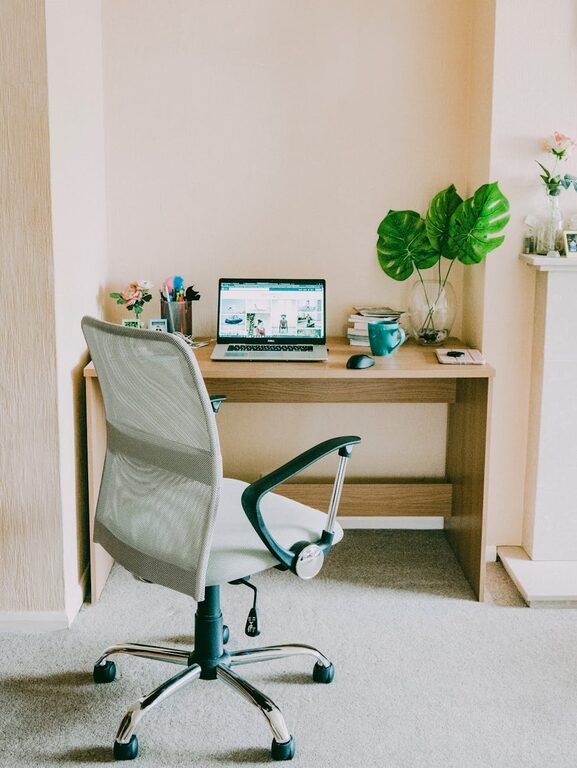
Creating a productive home office environment is essential for anyone working remotely or balancing work and personal life under one roof. A well-designed workspace can enhance focus, reduce stress, and increase efficiency. Whether you have a dedicated room or a small corner, the following tips will help you establish a productive home office tailored to your needs.
Choose the Right Location
When setting up your home office, location matters a lot. Ideally, pick a space that is quiet and away from high-traffic areas of your home to minimize distractions. If possible, choose a room with natural light, as daylight can improve mood and energy levels.
If space is limited, consider using a foldable desk or a compact workstation near a window. Avoid working from your bed, couch, or kitchen table regularly, as these spots may reduce your ability to focus and separate work from relaxation.
Invest in Comfortable Furniture
Comfort is key when you spend hours working at a desk. Invest in an ergonomic chair that supports your back and encourages good posture. A desk at the right height helps prevent strain on your wrists and shoulders.
Standing desks or adjustable workstations can be a good option if you want to alternate between sitting and standing throughout the day. Incorporating a footrest or ergonomic accessories such as keyboard mats can also improve comfort.
Optimize Lighting
Good lighting reduces eye strain and keeps you alert. Natural lighting is best, so position your desk near a window if possible. Complement this with adjustable desk lamps or overhead lights to ensure adequate illumination during late hours or cloudy days.
Avoid glares on your computer screen by positioning light sources to the side rather than directly behind or in front of your screen.
Declutter and Organize Your Space
A tidy workspace can improve concentration and reduce stress. Use shelves, drawers, and organizers to keep your desk free from unnecessary clutter. Allocate storage for office supplies, papers, and electronics.
Consider cable management solutions like clips or sleeves to keep cords neat and out of the way. A clutter-free area helps maintain a clear mind and keeps productivity high.
Personalize Your Workspace
Adding personal touches to your home office can make it a pleasant place to spend time. Photos, artwork, plants, or decorative items add character and can make you feel more comfortable and motivated.
However, avoid overcrowding your space with too many items, which can be distracting. A few well-chosen pieces that inspire you are enough to make the environment inviting.
Minimize Distractions
Working from home can bring unique distractions. Set clear boundaries with family members or roommates about your work hours. Use noise-cancelling headphones or play background music or white noise to help you concentrate.
Turn off non-essential notifications and keep your phone on silent or in another room during focused work periods. Establishing routines and breaks can also help manage time effectively.
Use Technology Wisely
Equip your home office with the technology you need to work efficiently. A reliable computer, high-speed internet, and necessary software are essential.
Keep your devices updated and organized. Use cloud storage for easy access to files from anywhere. Consider investing in a quality webcam and microphone if you attend frequent video meetings.
Maintain a Healthy Work Routine
Creating a schedule helps maintain work-life balance. Set a clear start and finish time, and include short breaks to stretch or walk around. Avoid working in pajamas or staying in the same spot all day.
Incorporate habits that support physical and mental well-being: drink water regularly, practice deep breathing, or do quick exercises. A balanced routine keeps your energy and focus steady.
Conclusion
Designing a productive home office environment involves choosing the right location, investing in comfort, managing lighting and organization, minimizing distractions, and maintaining a healthy routine. By following these tips, you can build a workspace that supports your productivity and well-being, making remote work more enjoyable and effective.