
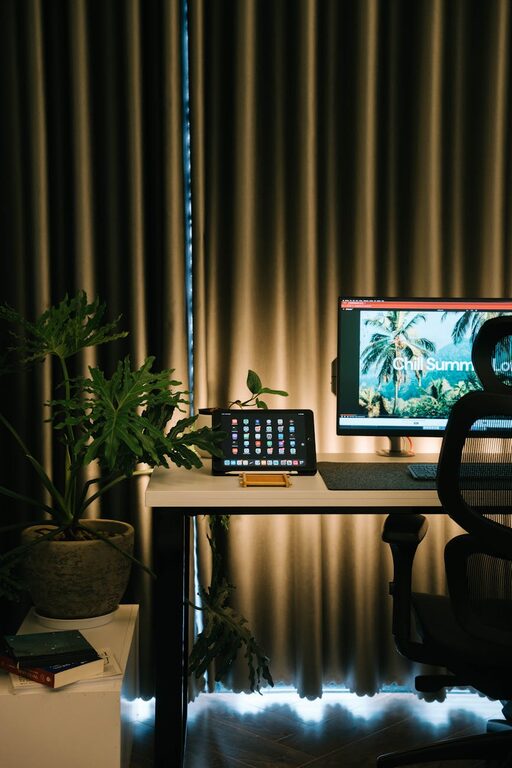
Creating a home office that feels both cozy and productive can make a big difference in your work-from-home experience. Whether you’re setting up a dedicated room or carving out space in a corner, the environment you create impacts how focused, comfortable, and motivated you feel throughout the day. Here are some helpful tips to design a workspace that supports your well-being and efficiency.
Choose the Right Location
Find a Quiet, Low-Traffic Area
Pick a spot in your home where noise and distractions are minimal. A quiet corner or an unused room can serve as an ideal workspace. This helps you maintain concentration and separate work life from home life.
Consider Natural Light
Natural light can improve mood and energy levels. Position your desk near a window if possible. If natural light is limited, invest in good-quality LED lamps that mimic daylight.
Invest in Comfortable and Functional Furniture
Ergonomic Chair and Desk
A supportive chair and desk at the right height are essential to prevent strain during long work hours. Look for adjustable chairs with lumbar support and desks that fit your workflow, whether sitting or standing.
Personalize Your Space
Add elements that reflect your personality, like a favorite mug, artwork, or plants. Personal touches help create a welcoming and inspiring environment.
Keep Your Workspace Organized
Declutter Regularly
A tidy area promotes clear thinking. Use storage solutions like shelves, drawers, and boxes to keep papers and supplies organized.
Use Cable Management
Keep cords neat and out of the way with cable clips or sleeves to reduce clutter and enhance safety.
Optimize Your Technology Setup
Reliable Internet Connection
A fast, stable internet connection is critical to avoid interruptions during video calls and online work.
Arrange Equipment Efficiently
Place your computer, monitor(s), keyboard, and mouse where they cause minimal strain. Consider a laptop stand or dual monitors for better ergonomics and multitasking.
Create a Pleasant Atmosphere
Add Greenery
Plants add color, improve air quality, and can reduce stress. Even small succulents or herbs on the windowsill make a difference.
Control Temperature and Air Quality
Ensure good ventilation and maintain a comfortable temperature to stay alert and comfortable throughout the day.
Use Calming Colors
Choose wall colors and decor that promote focus and calmness, such as soft blues, greens, or neutrals.
Set Boundaries to Boost Productivity
Define Work Hours
Set clear start and end times to establish routine and avoid burnout.
Communicate Your Schedule
If you live with others, let them know your working hours to minimize interruptions.
Take Breaks and Move
Schedule Regular Breaks
Step away from your desk every hour to stretch or take a brief walk. This helps refresh your mind and reduce physical strain.
Incorporate Relaxation Zones
If space allows, include a cozy chair or cushion corner for short relaxation or brainstorming sessions.
Final Thoughts
Designing a home office that blends comfort and productivity involves thoughtful choices about location, furniture, organization, and ambiance. By tailoring your space to your needs and preferences, you create an environment that supports both your work performance and well-being. Start with these tips and adjust as you learn what works best for you. With a cozy, efficient workspace, your home office can become a place you look forward to every day.