
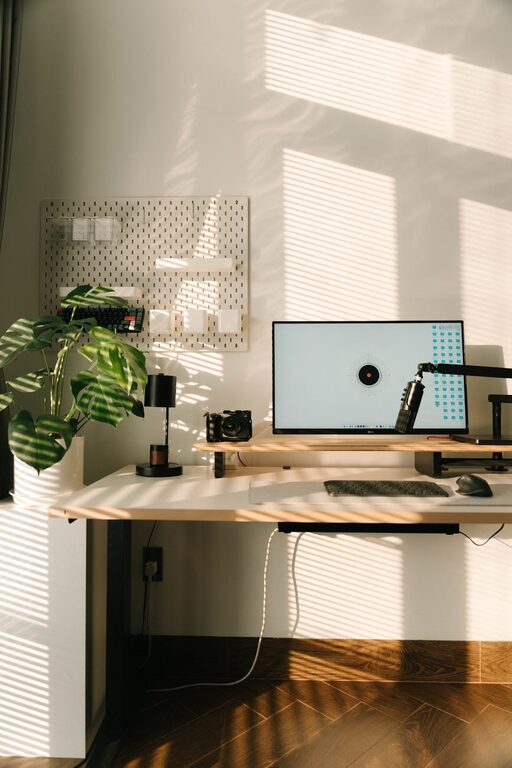
Creating a home office that is both cozy and productive can greatly enhance your work-from-home experience. Whether you’re setting up a new space or refreshing an existing one, balancing comfort with functionality is key. This guide offers practical tips to help you design a workspace where you can stay focused, motivated, and comfortable throughout your workday.
Choose the Right Location
Consider Natural Light
If possible, choose a spot near a window. Natural light boosts mood, reduces eye strain, and helps regulate your body clock. Position your desk so that light falls on your workspace without creating screen glare.
Minimize Distractions
Select a quiet corner away from household noise, foot traffic, and other distractions. If you don’t have a separate room, use room dividers or noise-cancelling headphones to separate your office area.
Invest in Comfortable and Functional Furniture
Ergonomic Chair and Desk
Comfortable seating is essential for long hours of work. Choose a chair that supports your back and encourages good posture. An adjustable desk, such as a sit-stand desk, can add variety and help reduce fatigue.
Desk Size and Storage
Your desk should be large enough to hold your computer, essential tools, and space to write or plan. Include storage options like drawers or shelves to keep supplies organized and within reach.
Organize Your Space Efficiently
Declutter Regularly
A clean space reduces stress and helps you focus. Remove items that aren’t necessary for your work and keep surfaces tidy.
Use Organizers and Labels
Desk organizers, cable management tools, and labeled storage can keep everything in order. This makes it easier to find what you need quickly and prevents clutter from building up.
Add Personal and Cozy Touches
Use Soft Textures
Incorporate rugs, cushions, and throws to add warmth and softness to your space. These elements create a cozy atmosphere and make your office feel inviting.
Decorate with Plants
Indoor plants improve air quality and add a natural, calming vibe. Choose low-maintenance plants like succulents or pothos if you’re new to plant care.
Choose Soothing Colors
Colors influence mood and productivity. Soft neutrals, blues, and greens are known to promote calmness and focus. Use your favorite colors for accents to personalize your space.
Optimize Lighting
Layered Lighting
Combine different light sources: overhead lights, desk lamps, and ambient lighting. This approach reduces eye strain and helps create a warm ambiance.
Adjustable Lighting
Use dimmable lamps or adjustable bulbs to customize brightness based on your tasks and time of day.
Create a System for Digital and Paper Work
Use Digital Tools
Cloud storage, task management apps, and calendars help keep your digital work organized and accessible.
Manage Paperwork
Designate a spot for incoming mail, bills, and documents that require attention. Consider filing systems or trays to sort papers efficiently.
Establish Boundaries and Routine
Set Work Hours
To stay productive, establish clear start and end times for your workday. Communicate these boundaries with family or roommates to minimize interruptions.
Take Breaks
Use timers or apps to remind yourself to take regular breaks. Short walks, stretching, or simple breathing exercises can help refresh your mind.
Keep Technology in Check
Declutter Your Devices
Remove unused apps and organize your desktop or browser bookmarks. This can improve focus and speed.
Use Quality Equipment
Invest in a good-quality monitor, keyboard, and mouse. Reliable technology reduces frustration and helps you work smoothly.
—
Final Thoughts
A cozy and productive home office is achievable with thoughtful design and intentional organization. Small changes, like adding a plant or improving lighting, can make a big difference in your comfort and efficiency. Remember, your workspace should reflect your personal style and work habits. Take the time to create a space that encourages you to do your best work while feeling relaxed and inspired.