
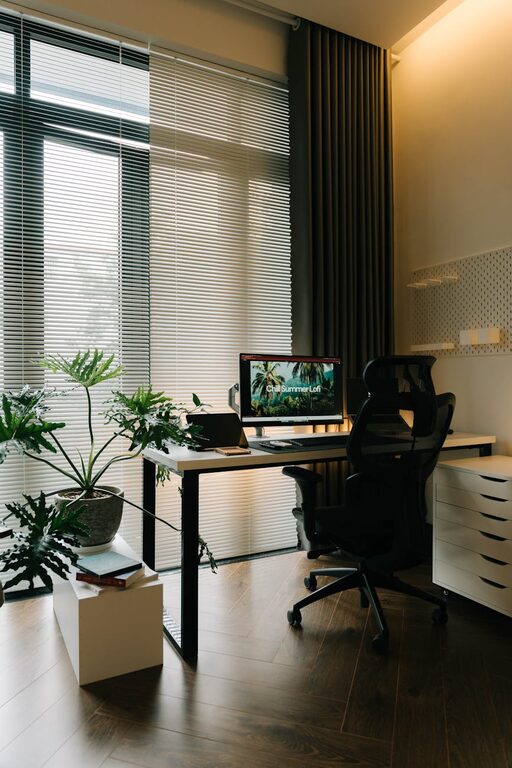
Creating a home office that feels cozy yet boosts your productivity can make all the difference when working remotely or managing tasks at home. Whether you have a dedicated room or a small nook, designing your workspace thoughtfully will encourage focus, creativity, and comfort.
Here are practical tips to help you craft a home office space that supports your work and wellbeing.
1. Choose the Right Location
Pick a spot with minimal distractions. Ideally, choose a quiet corner or a separate room where you can close the door to signal to yourself and others that you’re working. Make sure the area has enough space for your desk, chair, and any equipment you need.
Consider natural light
Natural light can improve mood and productivity, so try to position your desk near a window. However, avoid direct glare on your computer screen by angling your desk or using light curtains.
2. Invest in Comfortable Furniture
Your chair and desk directly affect your comfort and health.
– Ergonomic chair: Look for adjustable features like seat height, backrest tilt, and lumbar support to maintain good posture.
– Desk height: Ensure your desk is at a comfortable height to avoid strain on your wrists and shoulders. Standing desks or adjustable desks can offer flexibility.
– Footrest and accessories: If your feet don’t rest flat on the ground, a footrest can help reduce fatigue.
3. Personalize with Soothing Colors and Decor
Colors influence mood and focus, so choose hues that feel calming and inspiring. Soft blues, greens, or neutrals often work well. You don’t have to repaint the walls—adding colorful accents like cushions, rugs, or artwork can also create a welcoming atmosphere.
Decorate your space with items that make you happy but don’t clutter your desk. Plants are a great choice—they add a refreshing touch and improve air quality.
4. Organize Smartly for Efficiency
Clutter can distract and slow you down. Adopt organization systems that suit your work style.
Tips for tidying up:
– Use trays, drawers, or boxes to keep supplies within reach but out of sight.
– Prioritize frequently used items on your desk.
– Consider cable organizers to avoid tangled wires.
– Use wall shelves or bulletin boards to save desk space.
5. Optimize Lighting for Your Tasks
Good lighting reduces eye strain and keeps you alert. In addition to natural light, include ambient lamps and task lighting.
– Use adjustable desk lamps that can direct light exactly where you need it.
– Choose bulbs that mimic daylight or have a color temperature around 4000K to 5000K for a balanced effect.
– Avoid harsh overhead lights that create shadows.
6. Minimize Noise and Distractions
If your home is noisy, try these strategies:
– Use noise-cancelling headphones or white noise machines.
– Add rugs and curtains to absorb sound.
– Communicate your work hours clearly to household members.
7. Incorporate Break Areas or Movement Spaces
Even in a small home office, try to create a spot for stretching or quick breaks. Movement refreshes your mind and reduces tension.
Some ideas:
– Keep a yoga mat nearby for short stretches.
– Use a balance ball chair or a standing desk to vary your posture.
– Set reminders to take regular breaks away from screens.
8. Keep Technology Efficient and Updated
A slow or cluttered computer slows productivity and causes frustration.
– Regularly update software and perform maintenance.
– Invest in reliable internet connectivity.
– Use wireless keyboards or mice to reduce clutter.
– Backup important files to external drives or cloud storage.
9. Establish a Routine and Boundaries
Apart from physical setup, maintaining a routine helps keep the workspace productive.
– Set regular working hours and stick to them.
– Start your day with a morning ritual to transition into work mode.
– Avoid working from your bed or couch to maintain focus.
—
Designing a home office that balances coziness and productivity is about creating a space where you feel comfortable and motivated. By carefully considering location, furniture, lighting, and organization, you can build an environment that supports your work and wellbeing.
Take time to adjust your space as your needs evolve—your ideal home office is as unique as you are!